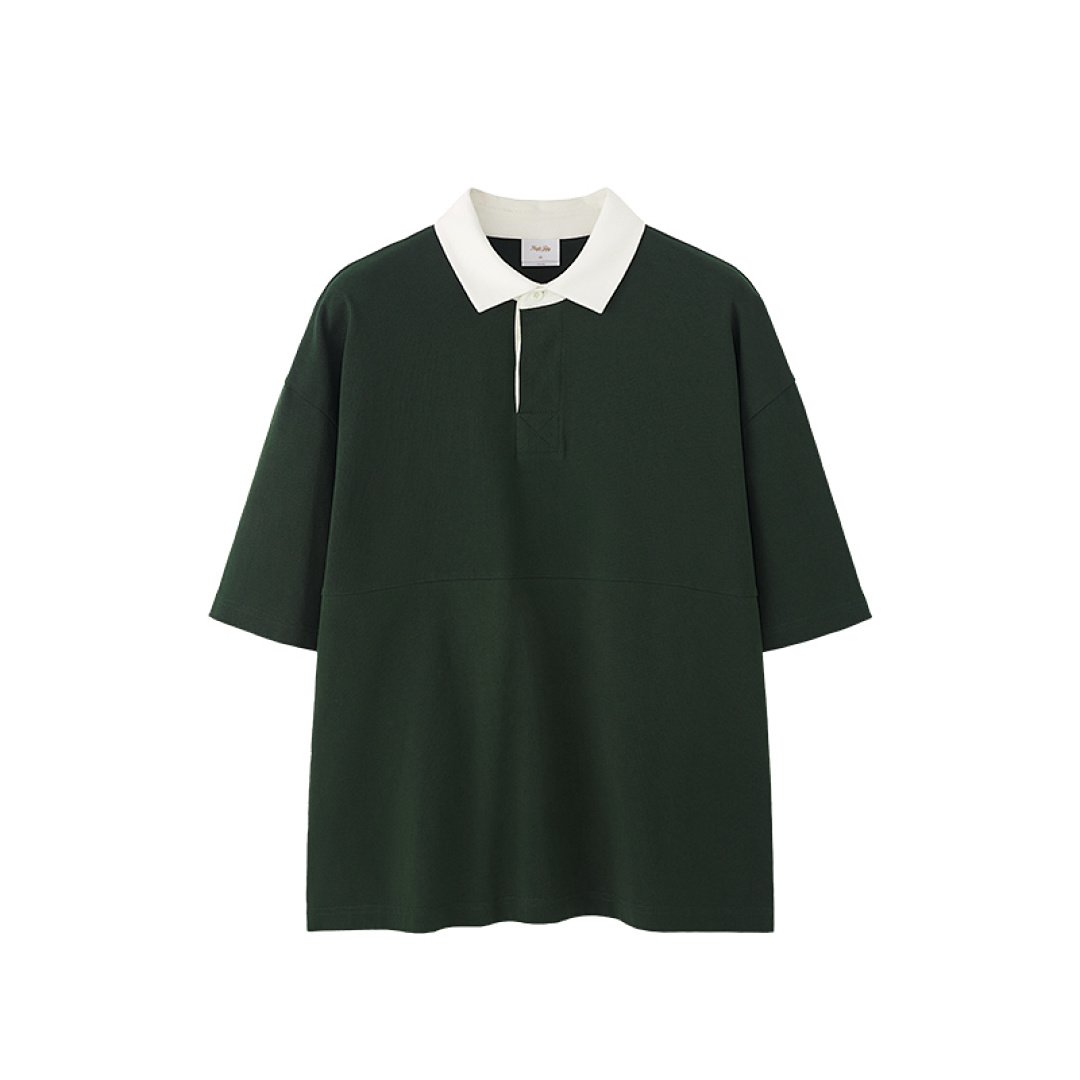
Both 280 GSM and 320 GSM read as heavyweight, but the difference is real once you hold them side by side. One keeps a bit of movement and comfort, the other is dense and structured. For a premium streetwear line, this is not a tiebreaker you want to guess on, because it changes how the tee drapes, how it takes print, how warm it feels and how much it costs per unit.
This guide breaks the decision down by the factors that actually matter in production, so you can specify the right weight on your first order instead of fixing it on a reorder.
Where 280 and 320 sit on the GSM scale
GSM means grams per square meter. It measures fabric density, not thickness. Here is where the two weights sit relative to the rest of the cotton range we run.
Cotton weight spectrum
light 280 GSM 320 GSM
280 GSM: heavy with movement
At 280 GSM the tee is clearly heavyweight but still has give. It drapes cleanly, layers well and is comfortable for all-day wear, which makes it a strong default for a premium mainline tee. It holds its shape through washing without becoming stiff, and it reads premium in hand without feeling like workwear.
320 GSM: dense and structured
320 GSM is at the heavier end of our cotton range. It gives a denser, more rigid drape and a thicker hand feel, which is why flagship and hero pieces often use it. The tradeoff is less breathability, a warmer feel and a higher fabric cost per unit. The structure is what you are paying for, not just the thickness.
Side-by-side comparison
| Factor | 280 GSM | 320 GSM |
|---|---|---|
| Hand feel | Substantial, softer drape | Dense, thicker in hand |
| Structure | Holds shape, keeps movement | Very structured, holds boxy fit |
| Breathability | Better | Lower |
| Durability | Strong | Stronger, less show-through |
| Print / embroidery | Takes both cleanly | Best for heavy embroidery |
| Fabric cost | Lower | Higher per unit |
How it changes an oversized fit
Heavier fabric falls better in an oversized cut because the weight gives a boxy silhouette structure instead of letting it collapse. 320 GSM holds that shape more deliberately; 280 GSM still works but drapes with a slightly softer, less rigid look. If your whole line is oversized, the difference between the two shows up most on the shoulder and body.
Cost and why the price differs
320 GSM uses more yarn per square meter, so the fabric cost is higher. The gap matters more on small runs because setup costs are spread across fewer pieces. We confirm the exact weight, hand feel and unit cost on a sample before you commit to bulk, so there is no surprise on the final number.
Which should you choose?
Choose 280 GSM for a premium everyday heavyweight that still moves and layers well. Choose 320 GSM when you want a dense, structured flagship tee that clearly reads as heavier in hand. Many brands run 280 GSM for the main line and 320 GSM for hero or drop pieces, which lets both weights serve a purpose without cannibalizing the range.
One mistake to avoid
Do not pick 320 GSM only because it sounds more premium. If the garment is worn in warm climates or layered under outerwear, the lower breathability can work against you. Choose the weight from how the customer actually wears it, not from the spec sheet.
If you are also comparing lighter options, see our 300 GSM vs 260 GSM comparison, or the full GSM guide.
Frequently Asked Questions
Is 320 GSM noticeably heavier than 280 GSM?
Yes. The difference shows up in hand feel and drape: 320 GSM is denser and more structured, while 280 GSM keeps a bit more movement.
Which GSM is better for an oversized streetwear t-shirt?
320 GSM holds an oversized, boxy silhouette better because the heavier fabric has more structure. 280 GSM still works but drapes softer.
Does 320 GSM cost more than 280 GSM?
Yes. 320 GSM uses more yarn per square meter, so the fabric cost per unit is higher. The exact difference is confirmed on your sample and order quantity.