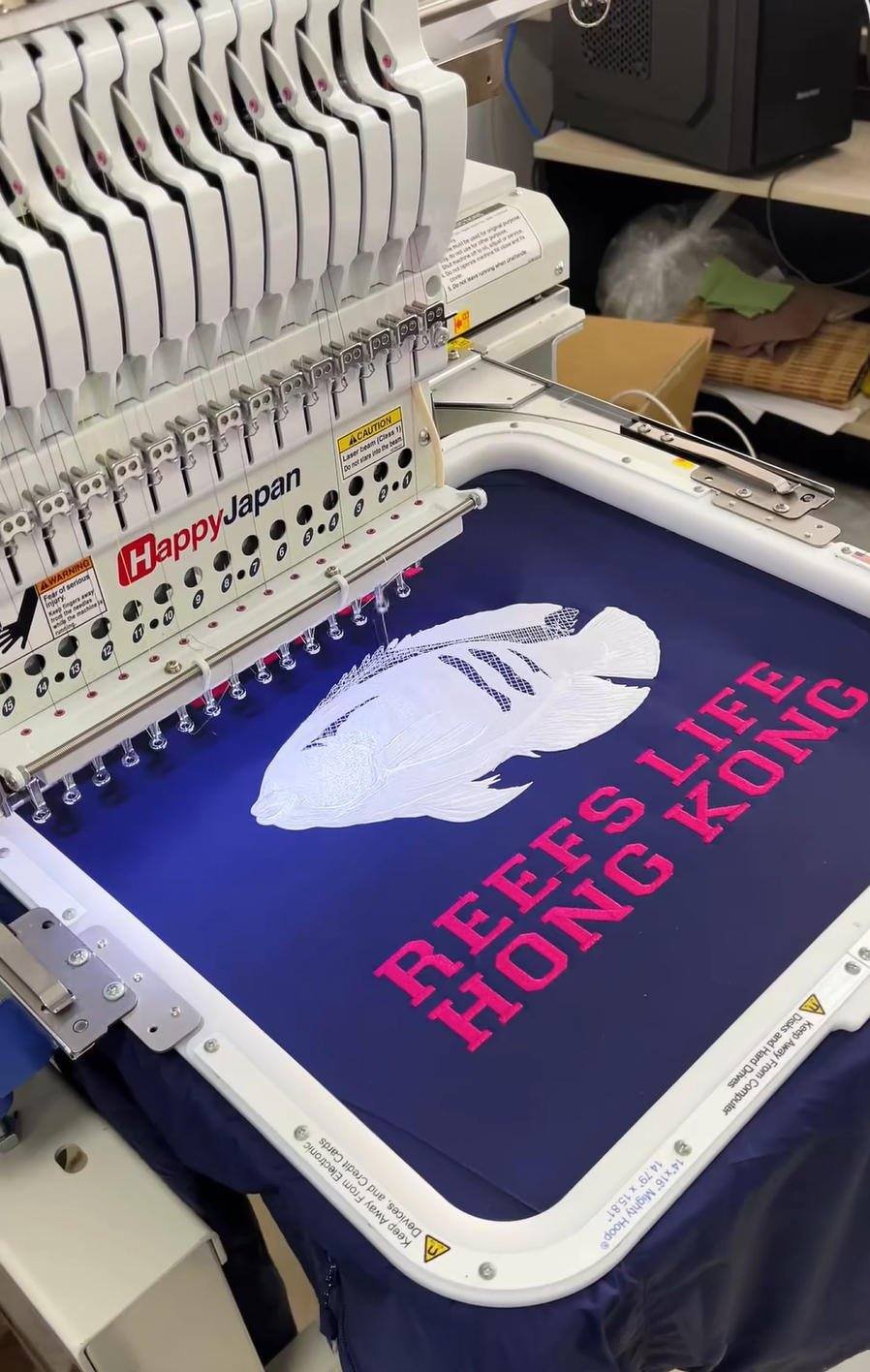
Embroidery and printing are the two most common ways to put a logo or design on clothing, but they behave very differently. Choosing wrong can mean a design that cracks, fades or simply looks out of place on the fabric. This guide explains the tradeoff so you can decide based on your product, not just the price.
Embroidery: raised, durable, premium
Embroidery stitches thread into the fabric. It has a raised texture, lasts through many washes and reads as more premium, which is why polos, caps, workwear and corporate uniforms often use it.
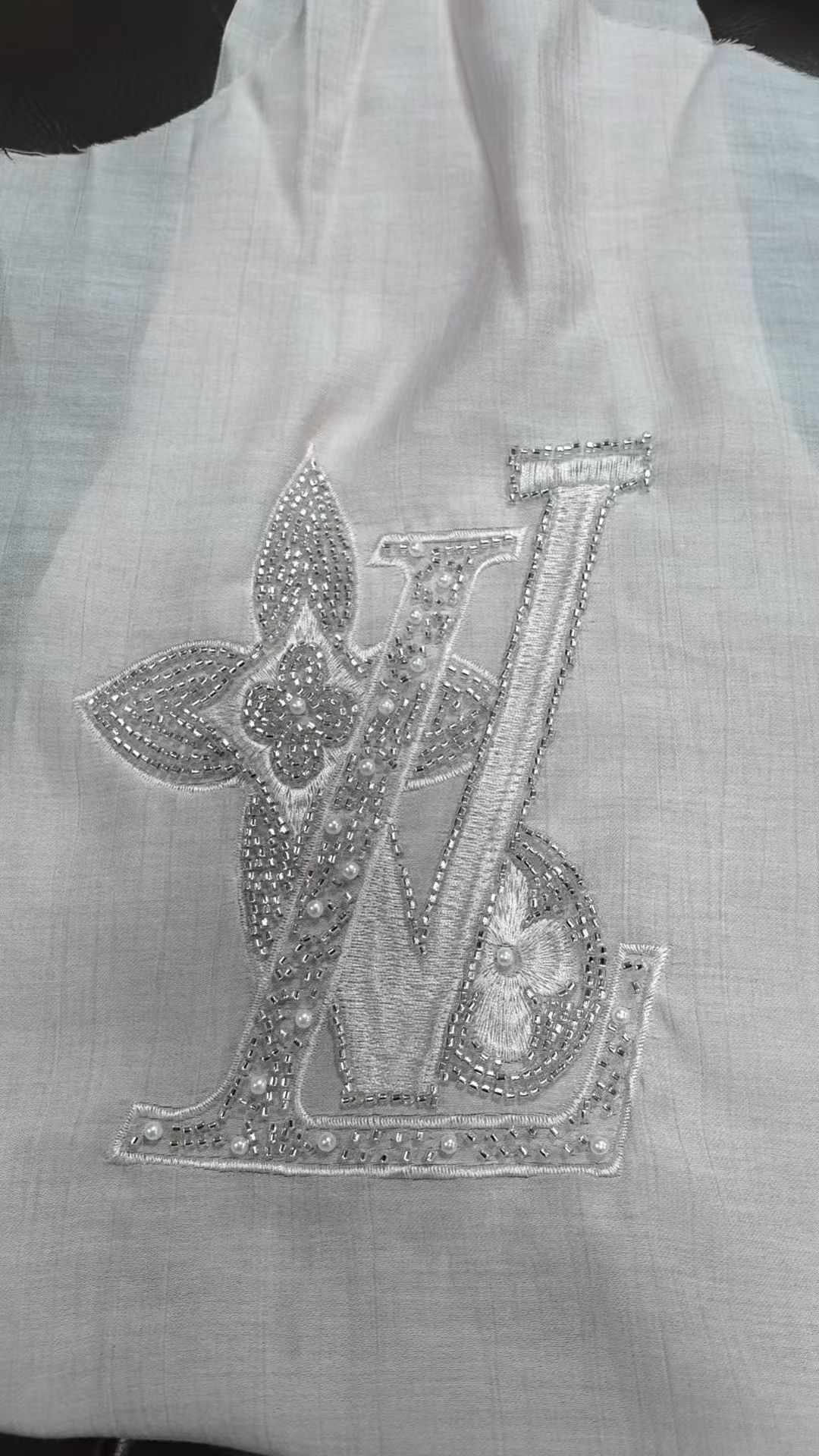
The tradeoff is detail: small text and fine gradients are hard to reproduce in thread. Embroidery also adds stiffness behind the design, so it is less comfortable on thin, lightweight fabric worn against the skin.
Printing: flat, flexible, detail-friendly
Printing lays ink on the surface. It handles fine details, gradients and full-color designs better than embroidery, and it is the standard choice for t-shirts and oversized graphics.
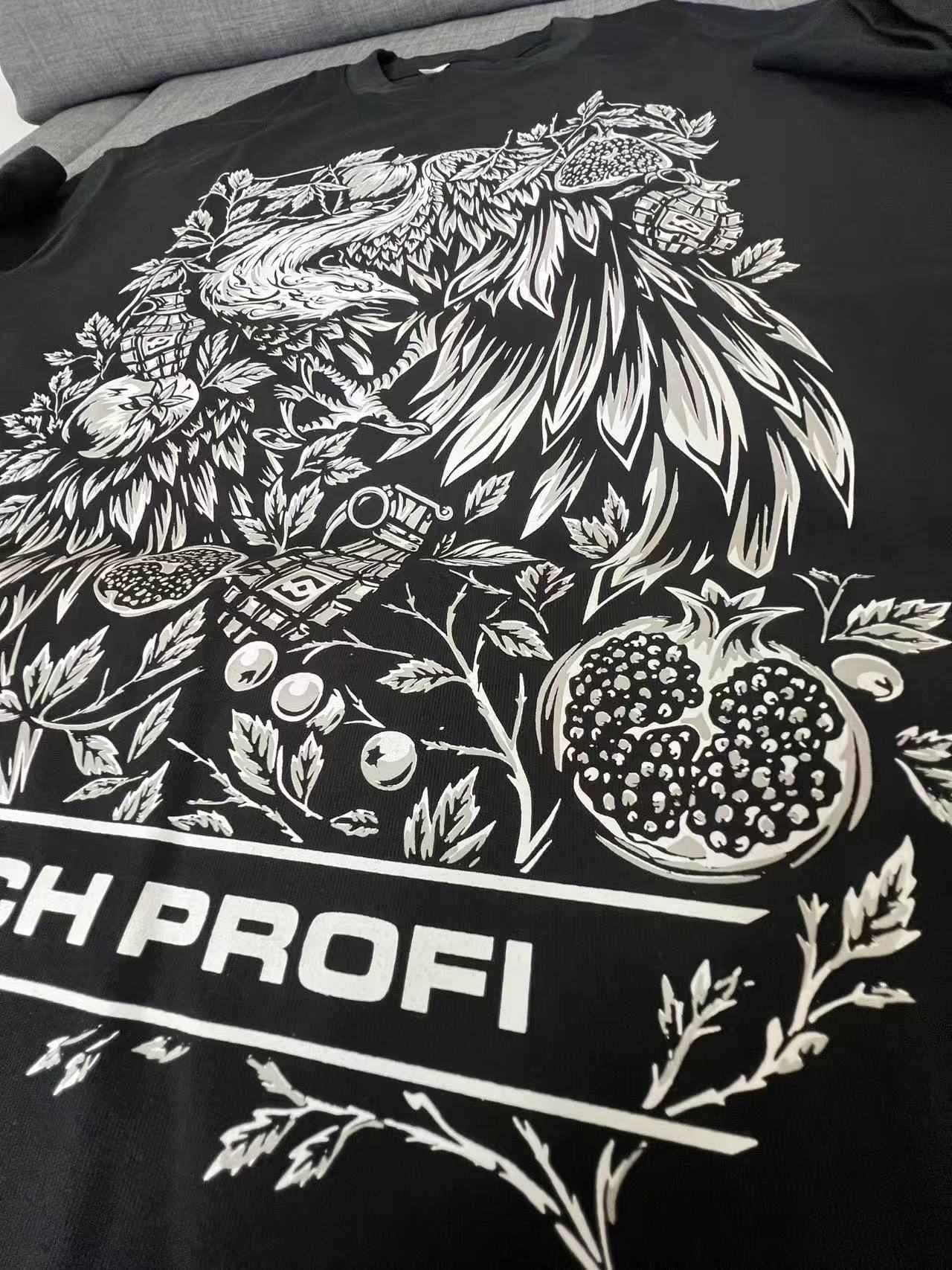
The tradeoff is durability and feel. Depending on the method, prints can crack or fade over time, and some prints add a slightly plasticky feel on large areas. See our screen printing vs DTF vs puff print comparison for the print-side detail.
Cost and quantity
Embroidery is usually priced by stitch count, so a dense logo costs more. Screen printing has a setup cost per color, which spreads across quantity, so larger runs get cheaper per piece. There is no universal "cheaper" option; it depends on the design and order size.
Which should you choose?
Choose embroidery for small logos, premium garments, uniforms and anything that needs to look sharp after heavy washing. Choose printing for large graphics, fine detail, gradients and lightweight tees. Many brands combine both: an embroidered chest logo with a printed back graphic.
Ready to spec it? See our custom embroidery program or explore custom clothing manufacturing.