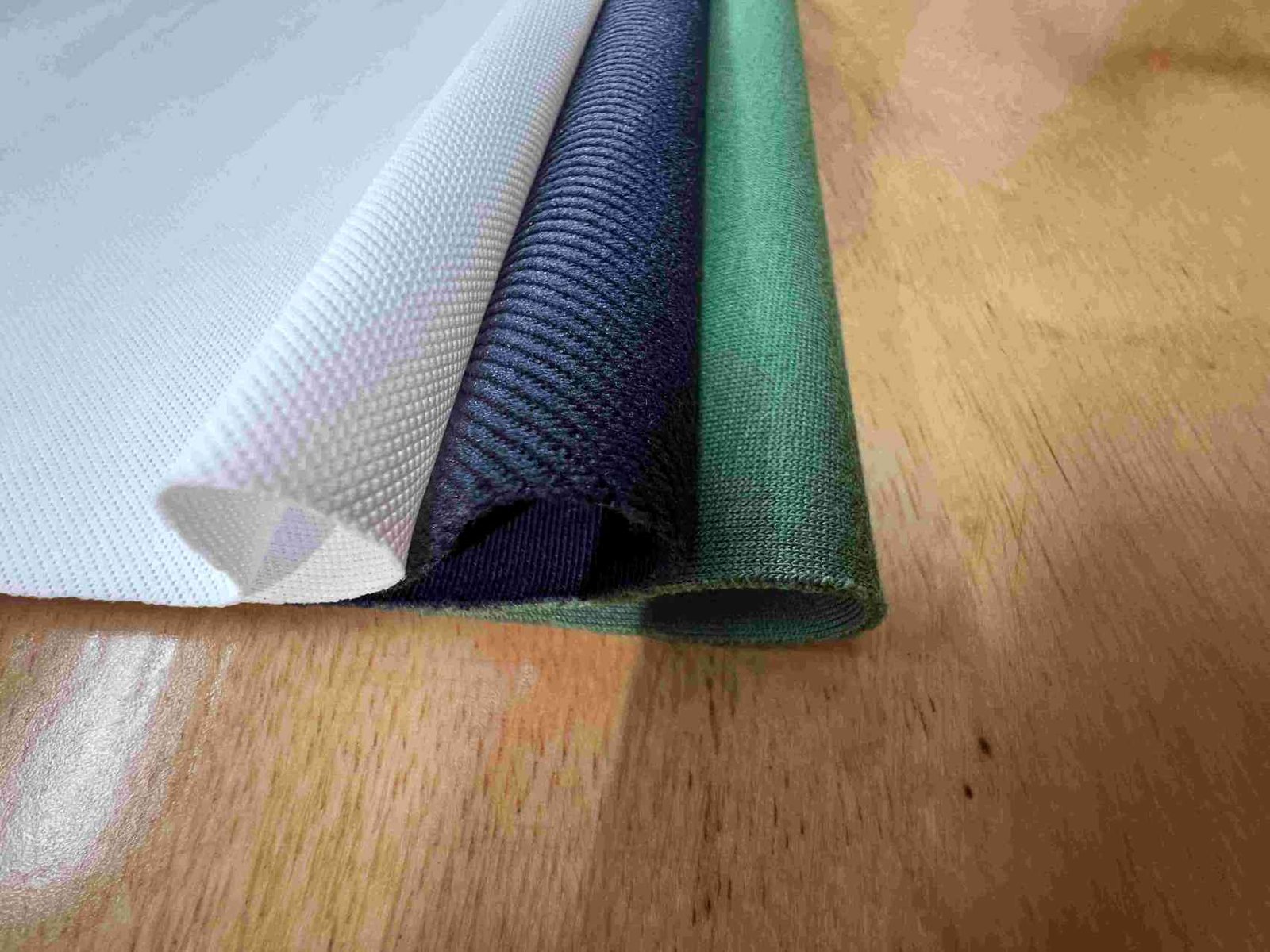
When a factory quotes you a cotton t-shirt, the spec sheet usually says "combed cotton" or "carded cotton". Most buyers skip over that line because both are just cotton. But that one word is the difference between a tee that feels premium after thirty washes and one that starts to pill and roughen after a season. If you are building a brand, this is one of the first fabric decisions worth getting right.
The short answer
Combed cotton is carded cotton that has gone through one extra step: the fibers are combed to remove short, weak strands and impurities before they are spun into yarn. The result is a smoother, stronger, less hairy yarn that pills less. Carded cotton skips that step, so it keeps more short fibers, feels slightly coarser and costs less. For premium streetwear and heavyweight tees, combed cotton is the standard. For value-driven basics, carded cotton is still a perfectly workable choice.
What actually happens in combing
Cotton arrives at the mill as a tangled mass of fibers of different lengths. Before spinning, the fibers are carded: a machine straightens them into a loose web and removes some trash and short fibers. Carded yarn can stop there.
Combed yarn goes further. The carded web is fed through a comber, which passes fine metal teeth through the fibers. The comber pulls out short fibers, neps (tiny tangled knots) and any remaining impurities, leaving a longer, more uniform fiber mix. That uniformity is what makes the finished yarn look cleaner and feel smoother.
The tradeoff is real: combing throws away a meaningful share of the cotton as short-fiber waste, and it adds another machine and more time to the process. That is why combed cotton carries a higher price, even though it uses a better end result rather than a more expensive raw material.
Combed vs carded: side by side
| Factor | Carded Cotton | Combed Cotton |
|---|---|---|
| Hand feel | Slightly coarser, less uniform | Smooth, soft, even |
| Fiber length | Mixed, keeps short fibers | Longer, more uniform |
| Strength | Good | Better, fewer weak points |
| Pilling | More likely over time | Less likely |
| Print / embroidery surface | Good | Smoother, cleaner finish |
| Cost | Lower | Higher |
Why pilling is the detail buyers feel first
Pilling is the little balls of fiber that form on a tee after repeated wear and washing. It happens because short fibers work their way loose from the yarn, tangle on the surface and stay there. Carded cotton keeps more short fibers, so it has more raw material for pilling. Combed cotton removes most of those short fibers up front, which is why a good combed tee keeps a cleaner face for longer.
This matters most on products that get worn hard: heavyweight tees, hoodies, anything people wash weekly. On a garment with a short sales life or light wear, the difference is smaller, which is why carded cotton still has a place in promotional and budget lines.
How it changes printing and embroidery
A smoother fabric face gives decoration a cleaner canvas. Screen print sits flatter, fine details hold their edge better, and high-density embroidery stitches land without the fabric looking fuzzy around the logo. If your design has thin lines, small text or a detailed crest, combed cotton usually shows it better. For a heavy, distressed graphic on a washed-out tee, the difference is much less visible, and carded cotton can be a smart way to protect margin.
Which one should you spec?
Start from how your customer judges the product. If the brand promise is premium hand feel, durability and a clean print surface, spec combed cotton and say so in the tech pack. If you are competing on price and the customer buys on cost first, carded cotton keeps the unit price down while still being genuine cotton.
Two things to confirm with the factory either way. First, ask for the combed or carded designation in writing on the sample tag and the bulk spec, not just in the conversation. Second, ask to see and feel the actual yarn or a bulk sample, because combing quality varies between mills. A cheap combed yarn can still feel rough if the combing is shallow.
What to ask your manufacturer
- Is this yarn combed or carded, and what is the cotton staple length?
- Can I see a bulk sample rather than a salesman sample?
- What shrinkage test result can you provide for this fabric?
- Will the same yarn be used for the sample and the bulk run?
- How do you control pilling on this fabric?
If you are also deciding on weight, see our garment GSM guide and the 280 GSM vs 320 GSM comparison. For the broader cotton versus blend question, read 100% cotton vs cotton blend. And if shrinkage is on your mind, see pre-shrunk fabric explained.
Frequently Asked Questions
Is combed cotton better than carded cotton?
For premium apparel, combed cotton is usually the better choice because it is smoother, stronger and pills less. Carded cotton is still a solid option for value-driven orders where a slightly coarser hand feel is acceptable.
Does combed cotton cost more than carded cotton?
Yes. Combing removes short fibers, so some cotton is lost in the process, and it adds an extra production step. Both factors raise the price of combed yarn versus carded yarn.
Which cotton should I choose for a heavyweight streetwear t-shirt?
For a premium streetwear tee, combed cotton is the standard choice. It gives a smooth, dense surface that takes printing and embroidery cleanly and resists pilling over repeated wear and washing.